
Sleep Better: Men's Nutrition Guide
Discover how the right nutrients and foods can transform your sleep quality, energy levels, and overall health
The information on this site is for educational purposes only and does not constitute medical advice. Always consult a qualified healthcare professional before making health decisions.
Common Sleep Myths Debunked
Many men believe that nutrition plays little role in sleep quality. The truth is that what you eat directly affects your sleep-wake cycle, melatonin production, and deep sleep duration. This guide explores the science-backed nutrients and foods that support restorative sleep for men.
Filter by Topic
Featured Content & Guides

Magnesium: The Sleep Mineral
Magnesium plays a crucial role in regulating your nervous system and promoting deep, restorative sleep. Learn how to optimize your intake and which foods are rich in this essential mineral.
Read Article →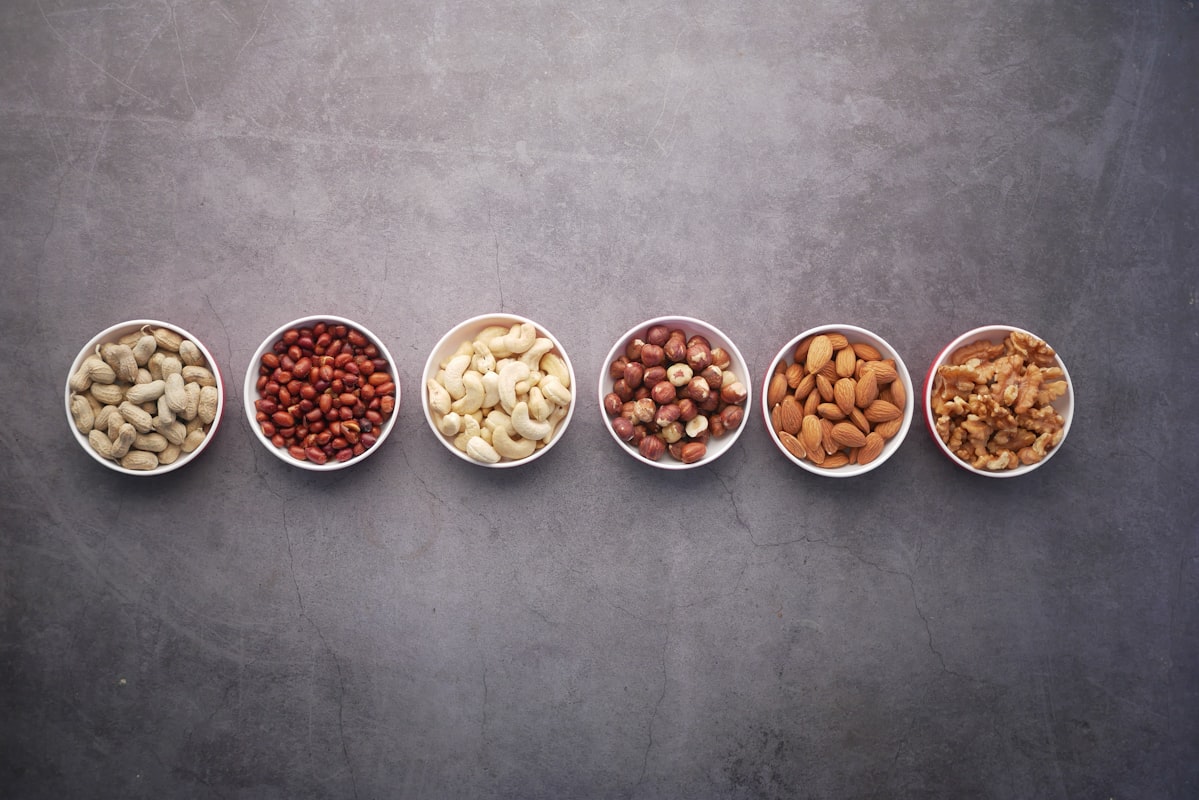
Tryptophan: Your Natural Sleep Aid
Tryptophan is an amino acid that your body converts to serotonin and melatonin. Discover the best dietary sources and how to time your intake for maximum sleep benefits.
Read Article →
Evening Meals for Better Sleep
Timing and composition of your evening meal directly impact sleep onset. Explore evidence-based dinner ideas that balance protein, healthy fats, and carbohydrates.
Read Article →
Caffeine Timing & Sleep Quality
Caffeine affects sleep even 6-8 hours after consumption. Learn the science behind caffeine metabolism and how to time your intake to protect sleep.
Read Article →
Vitamin D: The Sleep Regulator
Low vitamin D levels are linked to poor sleep quality and daytime fatigue. Explore optimal levels and how sunlight exposure and nutrition support your sleep-wake cycle.
Read Article →
Alcohol & Sleep Architecture
While alcohol may help you fall asleep faster, it disrupts REM sleep and reduces overall sleep quality. Learn the mechanisms and evidence-based guidelines.
Read Article →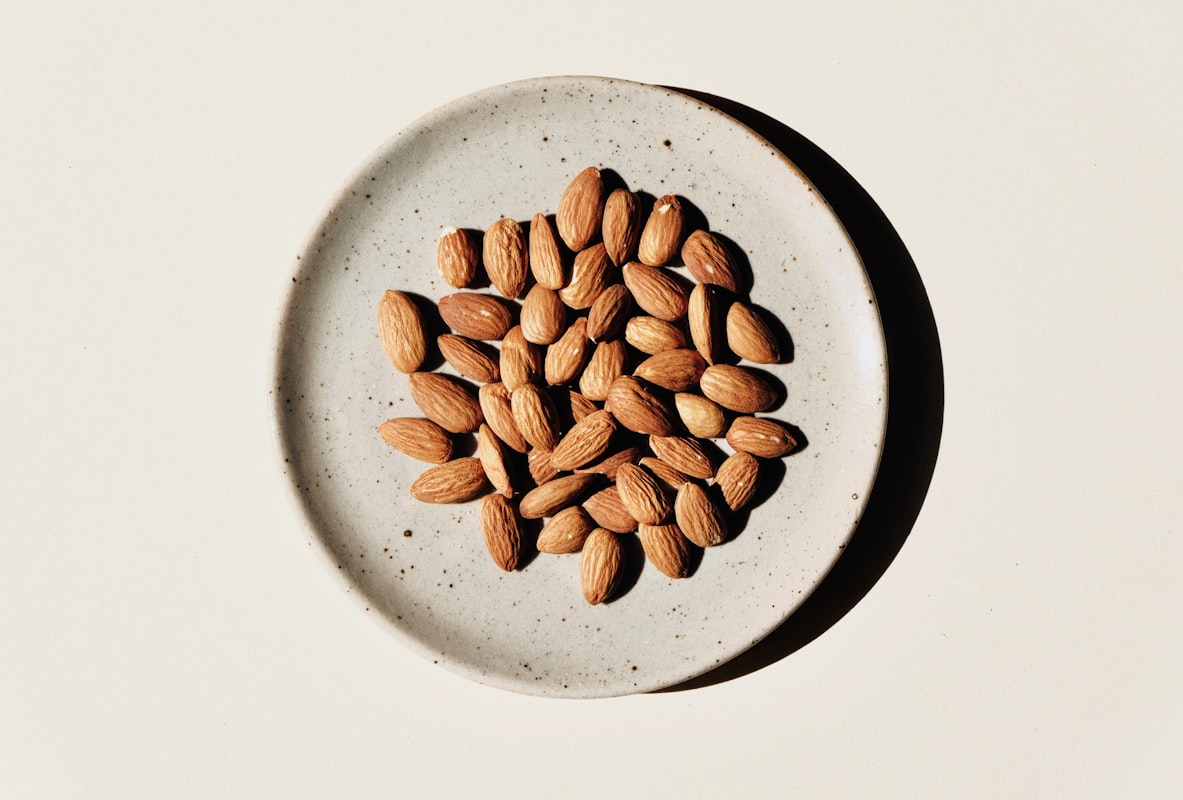
Natural Melatonin Sources
Melatonin production is central to your sleep-wake cycle. Discover foods naturally rich in melatonin and how to support your body's natural production through nutrition.
Read Article →
Meal Timing & Circadian Rhythm
When you eat is as important as what you eat. Learn how meal timing influences your circadian clock and how to optimize your eating schedule for better sleep.
Read Article →Essential Sleep Nutrients Explained
Magnesium
Activates the parasympathetic nervous system, promotes muscle relaxation, and regulates GABA receptors. Supports deeper, more restorative sleep cycles. Found in almonds, spinach, pumpkin seeds, and dark chocolate.
Tryptophan
Amino acid precursor to serotonin and melatonin. Increases availability through carbohydrate-rich foods that enhance its absorption. Found in turkey, chicken, cheese, nuts, and seeds.
Vitamin D
Regulates calcium absorption and influences serotonin production. Supports circadian rhythm stability. Found in fatty fish, egg yolks, mushrooms, and fortified dairy products.
B Vitamins
B6, B12, and folate regulate melatonin and serotonin synthesis. Support neurotransmitter production. Found in whole grains, lean meats, legumes, leafy greens, and eggs.
Omega-3 Fatty Acids
Anti-inflammatory properties reduce sleep-disrupting inflammation. Support brain function and circadian regulation. Found in fatty fish, flaxseeds, chia seeds, and walnuts.
Melatonin
Hormone that regulates sleep-wake cycle. Found naturally in small amounts in many foods. Also produced by your body in response to darkness and supported by proper nutrition.
Your Sleep Nutrition Plan
Assess Your Current Nutrition
Track your meals for three days to identify gaps in sleep-supporting nutrients. Look for adequate magnesium, tryptophan sources, and vitamin D intake. Note any foods that may disrupt your sleep, such as high caffeine consumption or heavy meals close to bedtime.
Optimize Meal Timing
Eat your largest meal 3-4 hours before bedtime. Include a light snack 30-60 minutes before sleep combining carbohydrates and protein to increase tryptophan availability. Avoid caffeine after 2 PM and large amounts of liquid close to sleep.
Build Sleep-Supporting Meals
Incorporate magnesium-rich foods (almonds, spinach, pumpkin seeds), lean proteins with tryptophan, complex carbohydrates, and omega-3 sources. Aim for consistent eating patterns that align with your natural circadian rhythm and sleep schedule.
Monitor & Adjust
Track your sleep quality, duration, and daytime energy for 2-3 weeks. Note which foods and timing patterns work best for your individual response. Adjust portions and timing based on your sleep outcomes and personal preferences.
Real Results From Our Readers
"After implementing the magnesium and tryptophan recommendations from these articles, my sleep improved dramatically within two weeks. I'm falling asleep faster and waking up more refreshed. The meal timing strategies alone made a huge difference in my energy levels throughout the day."
Rudi Hartono
Jakarta, Indonesia
"I never realized how much my evening coffee was affecting my sleep. The caffeine timing guide was eye-opening. Combined with better nutrition choices, my sleep duration increased from 5-6 hours to consistent 7-8 hours per night. This is backed by solid science, not hype."
Marco Sutisna
Surabaya, Indonesia
Frequently Asked Questions
Most people notice initial improvements within 3-7 days of consistent changes. However, significant changes in sleep architecture and deep sleep duration typically take 2-3 weeks. Consistency is more important than perfection—stick with the changes for at least three weeks before evaluating effectiveness.
Food sources provide magnesium along with other beneficial nutrients and cofactors. However, many men are deficient and may benefit from supplementation. The best approach combines food sources with potential supplementation—consider consulting about individual needs. Look for magnesium glycinate or threonate forms, which are better absorbed and less likely to cause digestive effects.
Finish your main meal 3-4 hours before bedtime to allow digestion to settle without disrupting sleep. If you need something closer to bed, have a small snack 30-60 minutes before sleep combining carbohydrates and protein. This timing supports natural melatonin production and prevents sleep disruption from active digestion.
Research shows a strong correlation between low vitamin D levels and poor sleep quality. Vitamin D regulates calcium absorption and influences serotonin production. Many adults, especially those with limited sun exposure, are deficient. Optimizing vitamin D through sunlight exposure and dietary sources can significantly improve sleep onset and quality.
While alcohol may help you fall asleep initially, it significantly disrupts sleep architecture. It reduces REM sleep duration, causes frequent awakenings in the second half of the night, and reduces overall sleep quality and restorative benefits. The short-term sedative effect comes at the cost of worse sleep later. Better sleep comes from nutrition and timing strategies that support natural sleep cycles.
Nutrition and sleep habits work together synergistically. Poor habits like irregular sleep schedules, screen time before bed, or caffeine late in the day will undermine even excellent nutrition. However, nutrition can significantly help by supporting hormone balance, reducing sleep fragmentation, and improving sleep quality even with suboptimal habits. The best results come from optimizing both—nutrition provides the biological foundation, while good sleep habits create the environment for deep, restorative sleep.
What Our Readers Are Saying
"The sleep nutrition guide changed everything for me. I started with simple magnesium and timing adjustments, and within two weeks I was sleeping through the night. Finally feel human again."
Marcus R.
Marketing Manager, Toronto
"As someone who's struggled with sleep for years, this approach actually made sense. No gimmicks, just real science about how food affects rest. Highly recommend for anyone serious about better sleep."
David Chen
Software Engineer, Vancouver
"Never thought nutrition could make such a difference in sleep quality. The detailed explanations helped me understand why certain foods work. Worth every minute of reading."
Jennifer K.
Healthcare Professional, Montreal
Ready to Transform Your Sleep?
Join thousands of men who've optimized their sleep through better nutrition. Get actionable strategies backed by science, starting today.
100% confidential. Science-backed strategies. Results in 2-4 weeks.
Vitalize Men's Health Hub
Science-backed health guidance for men seeking better sleep, fitness, and vitality.
© 2024 Vitalize Men's Health Hub. All rights reserved. | Evidence-based health information for men.